
Basement Bathroom Conversions: What to Consider
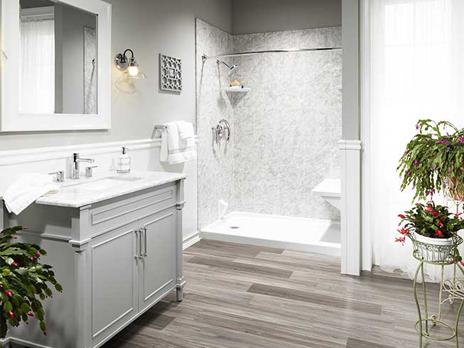 Converting part of your basement into a bathroom can add convenience, increase usable living space, and boost your home’s value. However, basement bathroom projects come with unique challenges that require careful planning. Homecraft Windows offers bathroom conversions in Raleigh, Durham, Morrisville, Youngsville, NC, Cary, and surrounding areas.
Before you begin, here are the key factors to consider.
Plumbing and Drainage
Plumbing is often the most complex aspect of a basement bathroom conversion. Since basements sit below the main sewer line, waste may not drain naturally. You may need a sewage ejector pump or macerating toilet system to move wastewater upward. Assessing existing plumbing lines early can help control costs and avoid major structural work.
Building Codes and Permits
Basement bathrooms must comply with local building codes, including requirements for ceiling height, ventilation, electrical safety, and emergency egress. Permits are typically required, especially for plumbing and electrical work. Consulting your local authority or a licensed contractor ensures the project meets all regulations and avoids costly corrections later.
Ventilation and Moisture Control
Basements are prone to dampness, making proper ventilation essential. An exhaust fan vented to the exterior helps control humidity, prevent mold growth, and protect finishes. Waterproofing measures, such as moisture-resistant drywall and sealed flooring, are also important for long-term durability.
Layout and Space Planning
Basement bathrooms are often smaller or constrained by support beams and utility lines. Smart layout choices—such as wall-mounted sinks, corner showers, or sliding doors—can maximize available space. Planning around existing obstacles can reduce construction complexity and expense.
Lighting and Comfort
Natural light is limited in most basements, so good artificial lighting is crucial. Layered lighting, combining overhead lights with task lighting near mirrors, can make the space feel brighter and more inviting. Heated floors or proper insulation can also improve comfort in a cooler basement environment.
A basement bathroom conversion is a worthwhile investment, but success depends on thoughtful design and technical planning. By addressing these considerations early, you can create a functional, comfortable, and code-compliant space that enhances your home. If you would like to discuss your specific situation or have questions, please don’t hesitate to contact us or email us.